

When Children Find Their Voice: Building Safety From Where I Stand
I used to dream of a community where children could grow up not feeling afraid. Where women didn’t have to scream every night. Where survivors could rise as leaders and lean into their lived experiences to bring the change they wanted to see. The dream didn’t come from some abstract place, it came from living in Kibera, from knowing what it feels like when poverty exposes girls to vulnerabilities, from understanding firsthand what happens when children don’t have the language to recognize violence as it’s happening to them.
Principles of Survivor-Centered Ethical Storytelling for Nonprofits
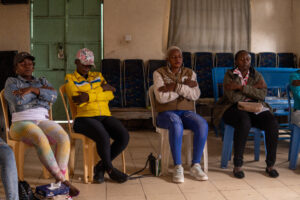
The “survivor complex” is real, and it deeply impacts the people we walk alongside. The survivor complex is a psychological and relational pattern that develops when a person has survived trauma and begins to relate to themselves primarily through the identity of “survivor.” It often forms because systems, communities, and even support programs repeatedly reinforce this identity, sometimes unintentionally.
Q& A From Pain to Power – The Super Girls Revolution with Magdalene
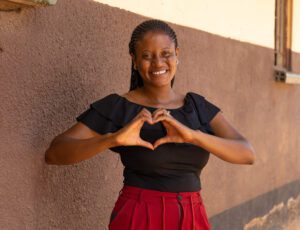
As a survivor of sexual violence, I started SGR in my mother’s backyard because the need to ensure girls were supported through mentorship, education, and empowerment was so urgent. My dream was always consistent: to mentor girls to take up space and be leaders, allowing every light in the community to shine.
How Safe Spaces and Survivor-Led Care Are Multiplying Healing
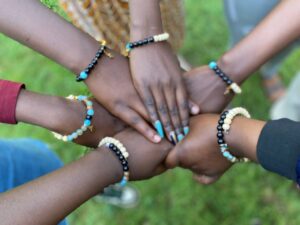
The movement to end sexual violence is undergoing a profound and necessary transformation. For decades, the global conversation has often focused on external interventions and temporary aid. Today, a new, powerful model is emerging: one that centers the unshakeable wisdom, expertise, and leadership of African survivors. This isn’t just about inclusion; it is a strategic shift toward sustainability, efficacy, and genuine, lasting societal change.
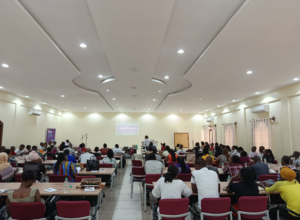
How FIH Is Strengthening the Ecosystem of Care for Survivors in Kenya
Kenya’s fight against sexual and gender-based violence (SGBV) is far from over. Poverty, harmful cultural practices, lack of GBV awareness, lack of access to justice among others perpetuate violence in many Kenyan communities. In addition to that, survivors when seeking for help face stigma, fear and trauma not only from the violence itself but also from systems that are meant to provide protection, support and justice. Instead, the systems end up silencing them. As a result, it makes their healing difficult and the violence hidden.
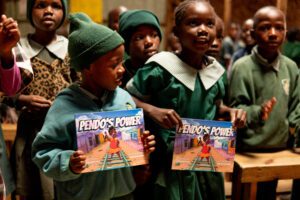
Partnering with Together Women Rise to Expand Survivor-Led Child Protection in Kenya
We are proud to announce a new partnership between Freely in Hope and Together Women Rise, a global community of women and allies advancing gender equality worldwide in the Global South.
Through this partnership, Together Women Rise is investing $50,000 over two years to support the expansion of Pendo’s Power, Freely in Hope’s trauma-informed, play-based program designed to prevent and respond to child sexual abuse in under-resourced communities.
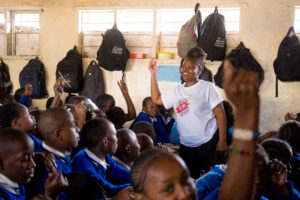
How Maryanne’s Story Became Her Strength
The weight of my community’s silence was heavy. Growing up, I didn’t just witness violence; I lived in its shadow, watching as systems and customs quietly expected women to remain small, silenced, and in servitude. I saw women I admired trapped in cycles of abuse, their dignity chipped away until their dreams seemed impossible.
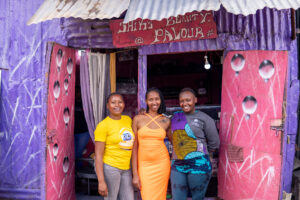
When Believing in Others Becomes Your Purpose
The weight of my community’s silence was heavy. Growing up, I didn’t just witness violence; I lived in its shadow, watching as systems and customs quietly expected women to remain small, silenced, and in servitude. I saw women I admired trapped in cycles of abuse, their dignity chipped away until their dreams seemed impossible.
Why Survivor Leadership Doesn’t Just Help—It Expands Hope
The weight of my community’s silence was heavy. Growing up, I didn’t just witness violence; I lived in its shadow, watching as systems and customs quietly expected women to remain small, silenced, and in servitude. I saw women I admired trapped in cycles of abuse, their dignity chipped away until their dreams seemed impossible.