

For so long, the girl child has been abandoned. Withholding education from the young girl has caused her to be seen as an inferior being, only capable of domestic responsibilities and raising children. As survivors who were given access to education through Freely in Hope, our mission is to return to our communities and shatter the constructs that this idea has left in its wake. We will stand behind the truth that receiving an education is a human right for every child, not only for boys.
Education possesses a unique ability to separate the girl child from vulnerable situations. Often, young girls tolerate violence due to poverty and cultural issues, but education provides them with the information, skills, and self-esteem needed to innovate and overcome. Learning does more than prepare young girls to pursue a career, it gives them the voice to speak out against injustice. The application of knowledge arms them with the means to end cycles of abuse and trauma. The girl child who has experienced violence finds shelter in education; she is taught to be independent and protect her rights, and is given the assurance that she can triumph over anything that comes her way.
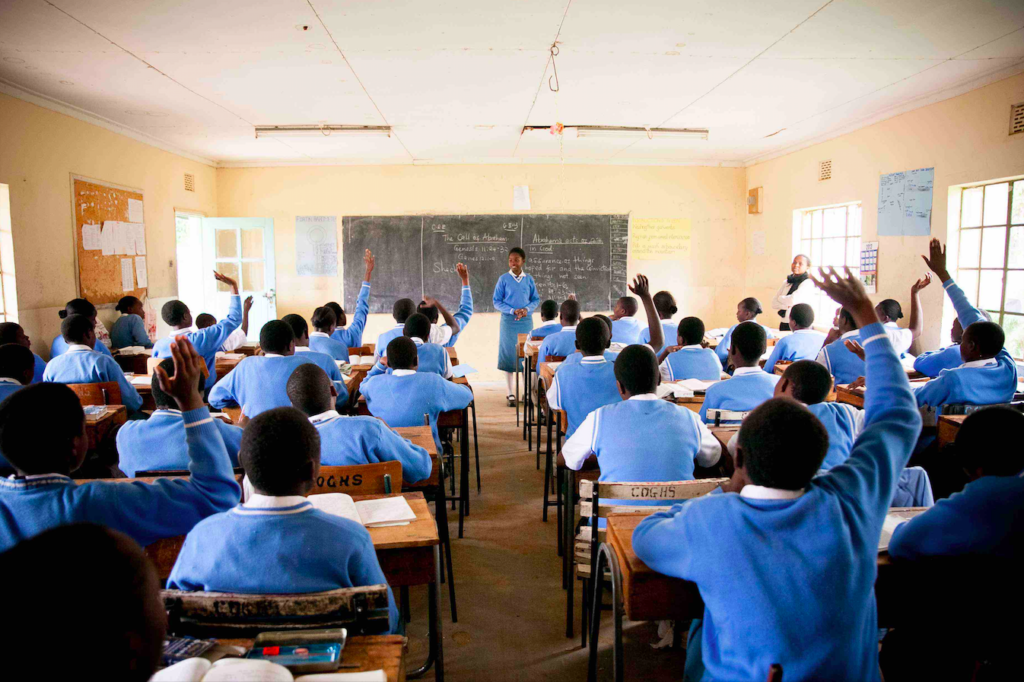
If we are to sow inspiration and create change, it is necessary for survivors of sexual violence to be an encouragement to other girls who share in their experience. Education breeds role models, and builds within them confidence as pillars in the community.
Unworthiness, guilt, hopelessness, and denial are illuminated by understanding; through it, we learn to slowly receive healing and move on. As we are taught, our perspectives expand, and our self-worth is cemented.
“Education has given me a sense of self esteem and courage. I can stand before others and express myself without feeling inadequate or less of a person.” – Mary, aspiring lawyer
As survivors, there is a sense of identity that we are proud to have worked for. These accomplishments in our studies are vital to expanding capacity in life. To give a girl an education is to give an entire community the problem-solving tools needed to heal.
Through education, we have learned how to utilize our first hand understanding of violence to become leaders in the community. Education has given us a powerful platform; a platform used to bring awareness to sexual violence, to bring hope and healing to other survivors, and to provide safe spaces that can be a refuge for girls in poverty.
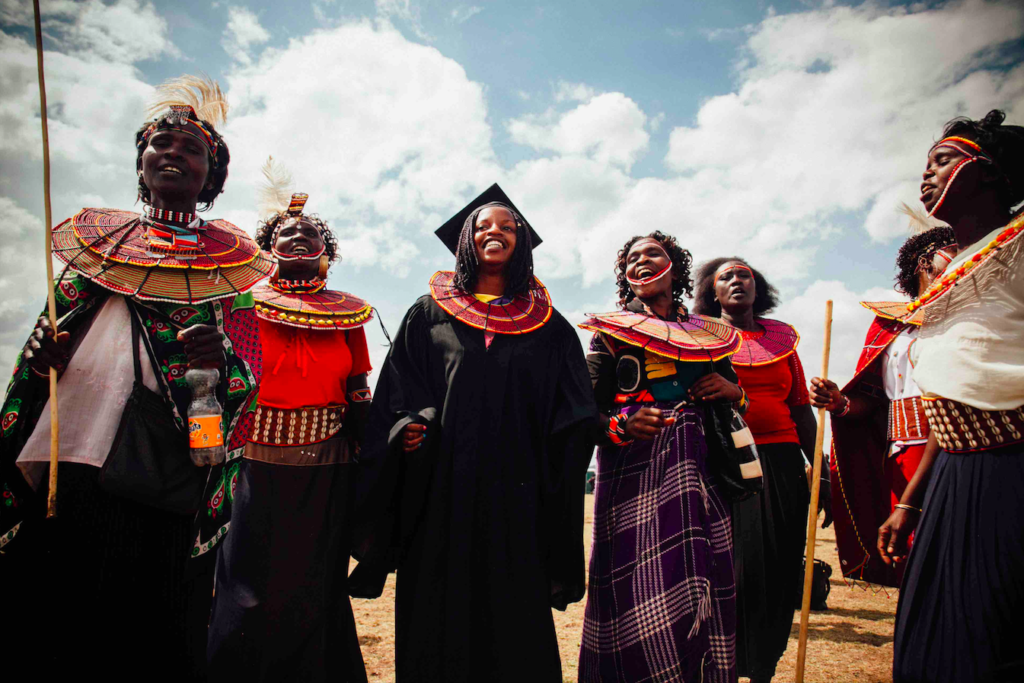
“I thank Freely in Hope for this opportunity to further my education. It has given me courage to face whatever life might bring. I no longer feel ashamed to associate with educated people. Being educated as a nurse, I have been able to talk to young girls who have come to the hospital; some girls were raped, some undergoing psychological torture from their past, some beaten and molested by people they thought they could turn to. I am able to talk to them, educate them on health issues, and become their friend. At the least, I make them smile, and I thank God for this everyday!” – Alice, aspiring nurse
Written by the collective voices of Freely in Hope survivor-leaders.
Edited by Naia Tillery