

What separates the victimized from the survivor? What inspires the abused woman to become a fearless advocate? How will the girl child realize her future potential, despite her past? Through what medium does the silenced soul find her voice?
As survivors of sexual violence, storytelling is an integral part of the healing process. At first, sharing stories of abuse is daunting. Having to relive and articulate a traumatic experience presents the risk of being exposed and even shamed; but through it, we learn that vulnerability is a catalyst for resolution. As we give voice to the hurt, the feelings of shame subside.
“I was ashamed people would speak badly of me. I kept asking God, ‘Why me?’ One day, I attended an inspirational talk and saw how other youth were empowered by hearing people talk about their problems openly. This changed me, and I said, ‘Why not me?’ And I stood up and spoke. I could see that people were moved by my story and they were motivated to be a light in their own world. I believe telling my story can have a big impact on many!” – Alice, aspiring nurse
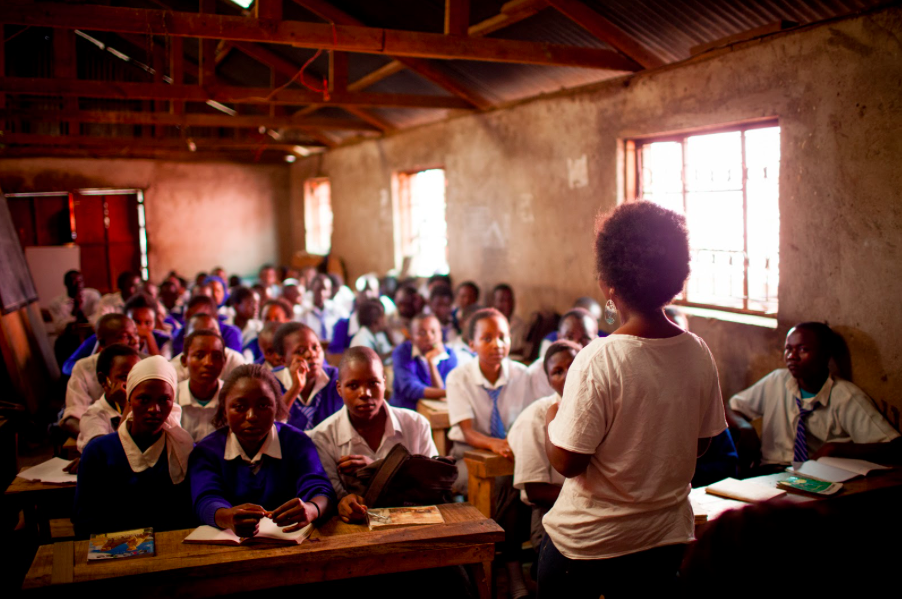
Instead of allowing fear to dictate the truth, we must have compassion upon ourselves. We must let our past find release by letting others in. Storytelling is an effective counterattack against cowardice. What disturbs your heart often becomes a comfort and familiar entity, but perhaps the greatest way to exemplify courageous self-love is by giving ourselves permission to let go of that comfort. When we share our experience of trauma, the crippling beliefs of unworthiness, fault, and self-condemnation have an opportunity to be corrected.
Storytelling aids in the healing of others. There are countless women and young girls who have endured their abuse in silence, needing to be told that they are not alone in their struggles. The cultivation of hope and zeal in our community is dependent upon us—we need to raise our voices. Sharing our experiences with each other is how we can heal emotional and mental isolation. We must rebel against the stigma surrounding sexual abuse and educate both girls and boys. Through telling our story, we raise awareness and inspire change.
“Sharing my story has changed me—I was healed. I count my experience as a blessing, because I now have a child who puts a smile on my face everyday of my life. Sharing my story has encouraged so many people, and I believe it has inspired many others with hidden stories to share. Out of sharing my experience, several people have been changed.” – Nina, aspiring psychologist
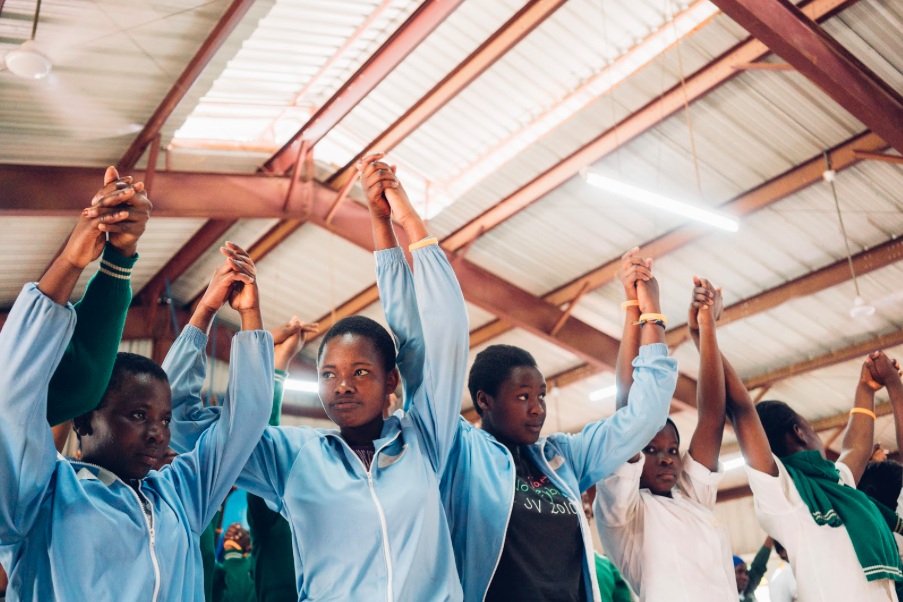
In telling our stories, we regain control over the narrative. We prove to ourselves that we are unbroken. We establish our identity as God’s children by owning our redemption. These are achievements worth being proud of.
“I am the answer to the upcoming generation. That’s the reason why I don’t worry about what people may say about me, because I am a great person in the eyes of God; there is a reason for everything in life. Telling my story to other people encourages them and gives them hope for a better tomorrow.” – Mumbi, aspiring social worker
Written by the collective voices of Freely in Hope survivor-leaders.
Edited by Naia Tillery