

The movement to end sexual violence is undergoing a profound and necessary transformation. For decades, the global conversation has often focused on external interventions and temporary aid. Today, a new, powerful model is emerging: one that centers the unshakeable wisdom, expertise, and leadership of African survivors. This isn’t just about inclusion; it is a strategic shift toward sustainability, efficacy, and genuine, lasting societal change. The future of this work will be defined by those who know the systems of violence and silence most intimately because they survived them.
The strategic evolution of organizations working in this space will be marked by a clear commitment: to build power with local survivor-leaders, ensuring the work is locally driven, culturally responsive, and sustainable for generations to come. This commitment moves past treating survivors as beneficiaries to recognizing them as the primary agents of change—the experts in their own healing and the architects of new futures. The vision is for survivor-leaders across Africa to fully own the financial resources, decision-making authority, and strategic direction of the efforts on the ground. This evolution is not a philosophical ideal; it is the natural outcome of seeing the deepest kind of change occur when leadership emerges from within the community.
Based on over 15 years of working alongside survivors, we have learned that at the heart of every effective SGBV response is a survivor-centered approach. This means that the needs, rights, and dignity of the survivor guide every action we take. Too often, survivors face judgment, blame, or even further harm when they come forward. Survivor-informed care helps change this narrative by ensuring survivors feel respected, safe, believed, and supported at every stage of their journey. It is not about deciding for survivors, but about walking alongside them, empowering them to make informed choices about their healing and justice journey.
At Freely in Hope, this approach is grounded in five core pillars:
Pillars of Survivor-Informed Care
At the heart of every effective SGBV response is the survivor-centered approach. This means that the needs, rights, and dignity of the survivor guide every action we take. Too often, survivors face judgment, blame, or even further harm when they come forward. The survivor-centered approach helps us change this narrative by ensuring that survivors feel respected, safe, believed, and supported at every stage of their journey. It is not about deciding for them, but about walking alongside them — empowering them to make informed choices about their healing and justice journey.
Respect
Survivors deserve to be treated with dignity, compassion, and sensitivity. This includes believing them, using non-judgmental language, and valuing their story without bias.
Safety
Our first responsibility is to ensure the survivor is physically, emotionally, and socially safe. This includes protecting them from retaliation, stigma, or further trauma.
Confidentiality
Information shared by a survivor must be kept private and shared only with their informed consent and on a strict need-to-know basis. Confidentiality builds trust and protects survivors from harm.
Non-Discrimination
All survivors should receive equal care and protection regardless of gender, age, ability, socioeconomic status, tribe, or faith. Bias and favoritism can deepen trauma.
Empowerment
The survivor should remain at the center of decision-making. Our role is to give them information, options, and support so they can make choices about their own healing and justice journey.
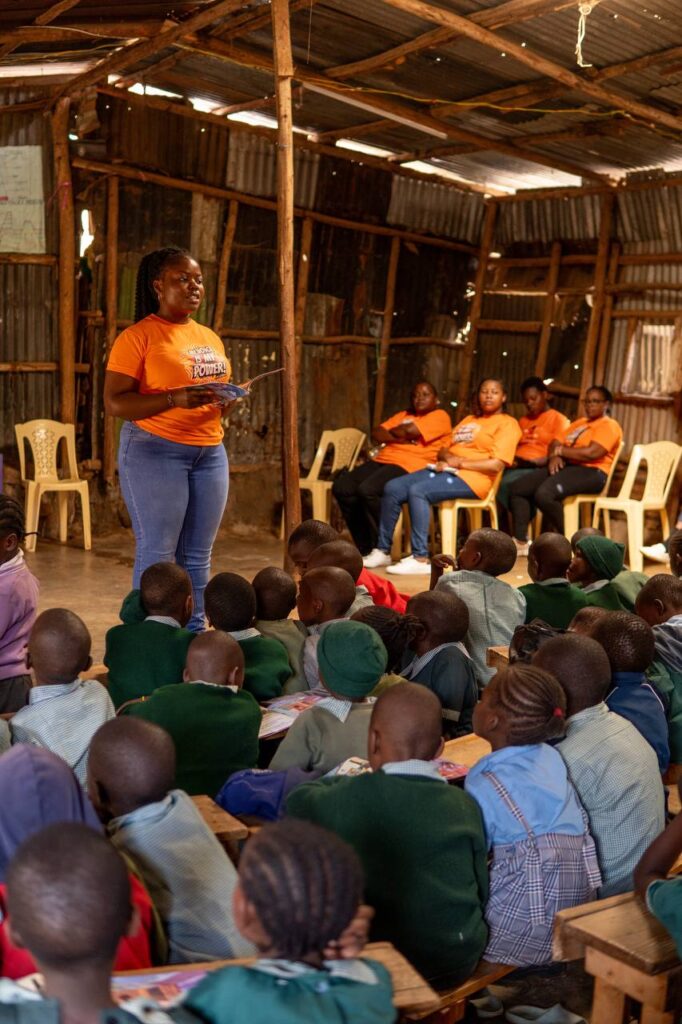
At Freely in Hope, we live these pillars not as theory, but as daily practice. Our work has shown that when survivor leadership is embedded into program design, implementation, and governance, solutions are more trusted, more relevant, and far more sustainable because they are locally owned and locally led.
When Survivor-Leadership Becomes Systemic Change
The impact of survivor leadership extends far beyond individual healing. Freely in Hope alumni like Osikol, a survivor of sexual violence, pursued her law degree with a singular focus: reforming the justice system from within. Today, as a practicing lawyer, she brings something no textbook can teach: a deep understanding of what it feels like when rights are violated and systems fail. That lived wisdom shapes how laws are interpreted, how cases are handled, and how policies evolve. It ensures that justice is not abstract but grounded in humanity. When survivors enter positions of influence, the ripple effects are systemic.
As we continue to build safe spaces and expand survivor-led care, survivors often tell us that what matters most is being treated with dignity and compassion, and being involved in designing and implementing solutions for the abuse they encountered. The movement to end sexual violence in Africa will not be driven by external solutions, but by the courage, expertise, and lived wisdom of survivors reclaiming their power and reshaping the systems meant to protect them. When communities center respect, safety, confidentiality, non-discrimination, and empowerment, not as ideals but as daily practices, we create a future where healing multiplies, justice becomes accessible, and generational change is not only possible but inevitable.

LYDIA MATIOLI
program & partnerships director
Freely in Hope provides trauma-informed, survivor-centered workshops and trainings on sexual abuse prevention, child protection, and leadership sustainability. Our trainings have supported organizations like the Ministry of Health (Kenya), Brave Movement, and Church World Service. To learn more about partnering, contact: lydia@freelyinhope.org