

Introduction: Understanding the Challenge
Kenya’s fight against sexual and gender-based violence (SGBV) is far from over. Poverty, harmful cultural practices, lack of GBV awareness, lack of access to justice among others perpetuate violence in many Kenyan communities. In addition to that, survivors when seeking for help face stigma, fear and trauma not only from the violence itself but also from systems that are meant to provide protection, support and justice. Instead, the systems end up silencing them. As a result, it makes their healing difficult and the violence hidden.
The Problem: Sexual Exploitation is on the Rise in Kenya
In Nairobi’s busy streets, rapid urban growth has not only brought benefits but serious challenges such as, trafficking, sexual exploitation, domestic abuse, child sexual abuse, femicide and underreporting, especially in informal settlements highlighting the city’s vulnerable populations.
Recent data paints an even more alarming picture:
- Nairobi leads Kenya in new HIV infections, with over 3,000 new cases recorded in one year, most among young people aged 15-34, signaling an urgent need for youth focused and survivor-centered intervention and responses. Citizen TV |YouTube | Nairobi Tops New HIV Infections
- In Homabay, a county with some of the highest HIV prevalence in Kenya, young girls are particularly at risk as teenage pregnancy, harmful cultural practices and SGBV threaten wellbeing and opportunities for the adolescents. Homabay HIV Prevalence
- Nyakach and Nyando constituencies in Kisumu County, account for nearly 19 per cent of teenage pregnancies, signalling a deep-rooted social problem. Kisumu’s Social Problem
- Kilifi County faces rising teenage pregnancies, many of which are linked to cases of defilement and sexual exploitation. (YouTube/community report)
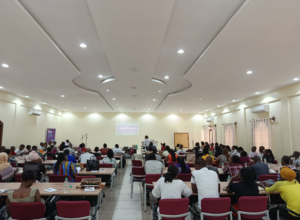
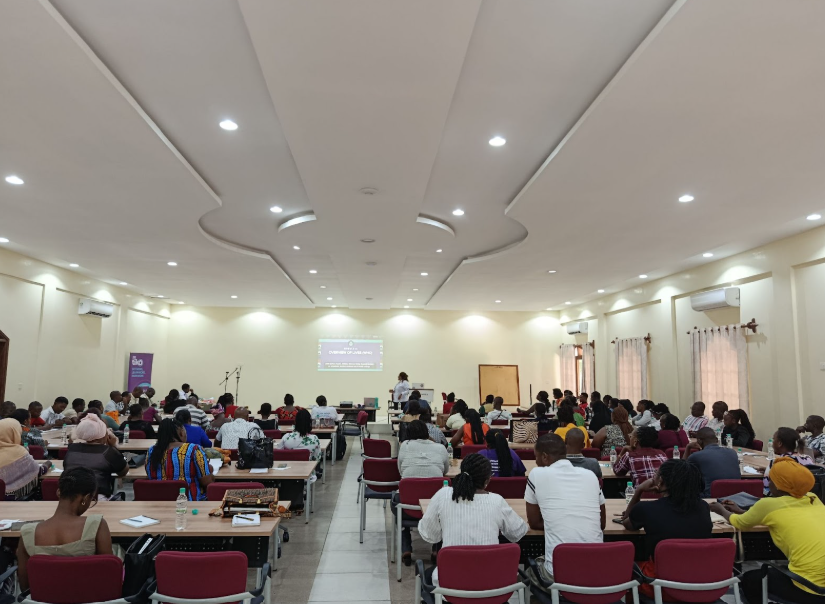
As an organization in order to solve this, we partnered with Tiko and the Ministry of Health (MOH) to build a stronger ecosystem of care for survivors of sexual and gender based violence across four counties. Through this initiative, we trained a total of 875 frontline responders. 260 in Nairobi, 166 in Kisumu, 256 in Homabay and 193 in Kilifi. The training objective was to improve timely case reporting before the 72HR window, strengthen collaboration among referral partners within the TIKO ecosystems of care, and lastly ensure that all stakeholders present have the trauma-informed, survivor -centered skills needed to support the growing number of survivors in Kenya.
Our Solution: How our Training is Designed
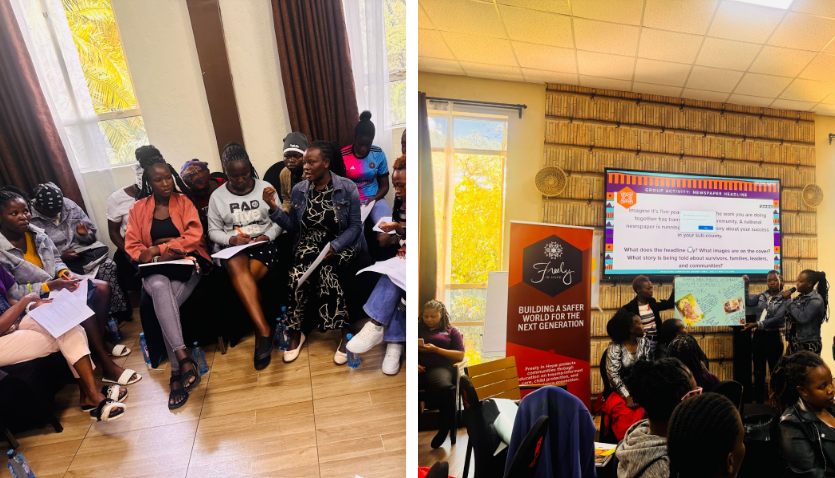
The training followed Freely in Hope’s Curriculum, the four-phase model. Prepare, Plant, Nourish, and Protect, which mirrors the growth of a plant and integrates the principles of trauma-informed care.
- (Prepare) focused on Trauma-Informed Care for Survivors of SGBV;
- (Plant) addressed Shifting Mindsets to Strengthen SGBV Prevention and Response;
- (Nourish) covered Psychological First Aid and Sustaining Leadership; and
- (Protect) emphasized Mobilizing Communities to Prevent SGBV, incorporating the 4D Cycle of Inquiry—Discover, Dream, Design, Deliver—as a framework for action planning.
Freely in Hope’s approach centers survivor leadership, ensuring that the curriculum reflects their personal stories and that it offers a blend of survivor-centered and trauma-informed prevention and response, knowledge of tools for documentation and reporting, and effective referrals of survivors affected by sexual gender gender-based violence.
A critical issue was found where most frontline responders, including police, healthcare workers, social workers, among others, lacked training in trauma-informed care. As a result, survivors seeking justice and healing often faced re-traumatization through victim blaming, disbelief, intrusive questioning, and delayed access to medical and psychological services. These harmful responses not only deepen survivors’ psychological distress but also erode trust in formal systems, leading many to disengage from care altogether. This training thus aimed at developing a competent, coordinated, and caring first-response network that bridges community and facility-level care, while actively challenging harmful social norms that perpetuate sexual and gender-based violence.
The Transformation: Survivor Stories Spark Change
When a facilitator asked, “How are survivors treated in your community?” The room went quiet. People looked around, hesitant to speak. Then, slowly, hands began to go up. The stories that followed were heartbreaking.
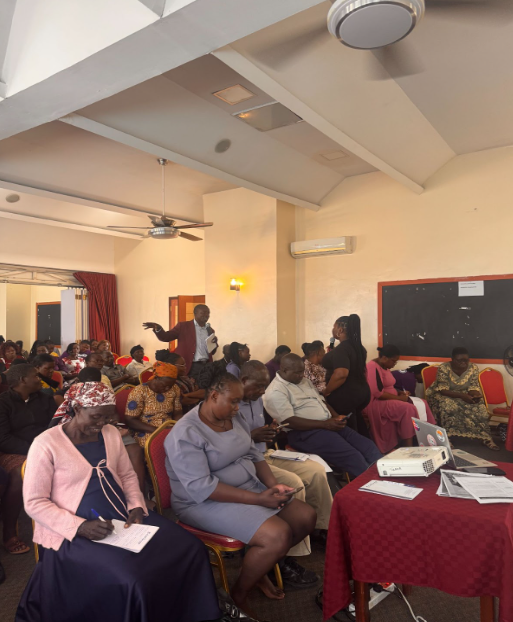
One participant said, “They’re stigmatized and hidden away.” Another shared, “They’re discriminated against, beaten, & chased away.” The words that kept coming were that survivors are isolated, given nicknames, and blamed for the abuse they have suffered. Some responders even said that survivors are often told it’s their fault, that they must have provoked it.
As the conversation continued, people began to open up, sharing their own experiences and struggles. They began to see that these weren’t just individual problems – they were community issues, and together, they could make a change.
To address this gap, survivor leaders shared personal stories to illustrate key principles and the impact of trauma. Their testimonies highlighted the importance of cultural sensitivity, collaboration and supportive ecosystems of care that promote overall wellbeing.

Stella, a facilitator, shared her personal story of being sexually abused by her stepfather as a minor, resulting in pregnancy. When her mother reported the abuse, the police officer’s response was harmful, asking questions like, “Why didn’t you report earlier?”, “Why now after it already happened?” You wanted it? Did you like it?”
Such questioning is not only unethical but also violates Kenyan law, including the Sexual Offences Act and the Children Act.
This training by FIH was imperative to equip responders with skills to support survivors and empower them with communication skills that denote respect and empathy when addressing survivor issues, as mishandled disclosures can silence them. A survivor’s courageous disclosure can be undermined by a rushed or distracted response, causing them to withdraw and never seek help again.
Trained responders can make a life-changing difference. The training saw officers, healthcare workers, and social workers transformed into allies who guide survivors through the justice system and toward healing.
The importance of this training was underscored by the harsh realities survivors face including stigma, discrimination and shame. Many cases end in informal systems such as the kangaroo courts where justice is denied, highlighting the need for urgent action.
The training sessions sparked a shift in the atmosphere. With responders acknowledging gaps in their practices and committing to adopt survivor-centered approaches, uphold child protection standards and create safe spaces for survivors.
By equipping responders with trauma-informed care skills, we can ensure survivors receive the care and support they deserve, and justice is served.
Impact Data: Why Survivor-Led Teaching Matters
The results from our pre- and post-training assessments demonstrate the tangible impact of this approach:
Area of Capacity | Before Training | After Training | Improvement |
I am able to spot signs of trauma in survivors | 42 % | 89 % | +47 % |
I am able to support a survivor without judgment or blame | 53 % | 95 % | +41 % |
I am confident in working with other professionals to support survivor care | 58 % | 96 % | +38 % |
I am able to safely address harmful beliefs related to SGBV. | 57 % | 89 % | +33 % |
The training had a profound impact, boosting participants’ confidence in handling trauma cases. They developed the skills to recognize trauma, support survivors without judgment, and challenge harmful cultural norms.
Here’s what the training participants shared:
- “I used to be afraid of handling survivors, but now I feel equipped.” Police Officer, Nairobi
- “I learned that it’s not the survivor’s fault. We should give them space to express themselves.” Community Health Worker, Kisumu
- “Survivors need protection, reassurance, and support reintegrated back into society.” Organizational Leader, Kilifi
The participants addressed cultural barriers like kangaroo courts, early marriages, and stigmatization that happen in their community level and were more empowered to advocate for survivors’ rights. They committed to working together, partnering with police, health workers, and community organizations to provide comprehensive care and contribute to building awareness in the community to reduce SGBV, and the importance of collective effort to end it.
Conclusion: Moving From Harm to Healing
Through our training, Freely in Hope turned a county-wide problem into tangible healing: by centering survivor leadership, delivering trauma-informed, survivor-centered training, and building stronger referral networks with partners like Tiko and the Ministry of Health. It is changing how communities respond to SGBV. The results speak for themselves. Participants’ ability to spot trauma and support survivors has risen dramatically after the training, and responders are better equipped to protect, refer, and advocate.
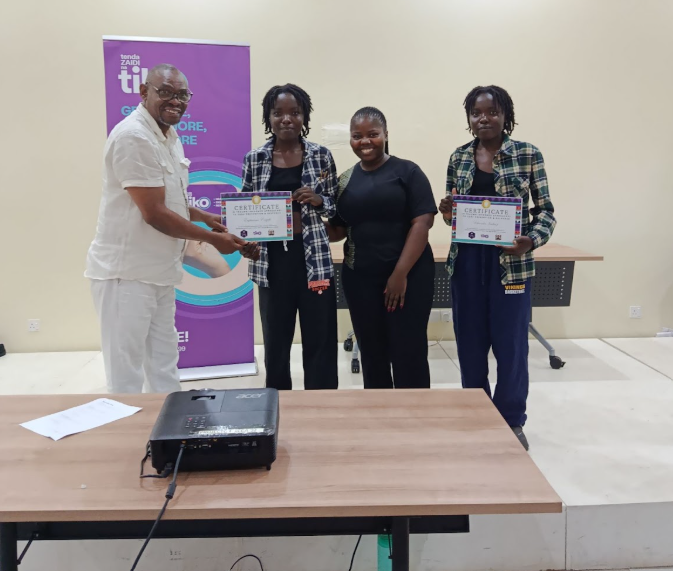
To sustain this impact, Freely in Hope plans to scale these survivor-led trainings across more counties, embed trauma-informed protocols into police, health, and community systems, strengthen coordinated referral pathways and survivor-friendly services, and keep survivors at the center of monitoring, policy advocacy, and resource allocation.
The Freely in Hope approach proves that when communities believe survivors, act with empathy, and work together, we can move from harm to justice and from silence to sustained healing.

STELLA WAIRIMU
STORYTELLING Coordinator
To learn more about Freely in Hope’s trainings on SGBV prevention, trauma-informed care, and leadership development, contact: lydia@freelyinhope.org