
JOIN THE GLOBAL BOOK CLUB

October 24, 2020 at NOON – 1:30 PM PT
 

Join the Book Club for Liberation is Here! We’ll be joined by Freely in Hope staff and alumni to discuss the themes of the book, ways to incorporate learnings, and a discussion guide to utilize to start your own Book Club! We’ll also engage in meaningful conversations with staff and alumni from Kenya and Zambia. We hope that this Book Club can provide tools to equip you to support survivors in your context. Included in your registration is a link to view a recording of the Book Launch Party!

ABOUT THE BOOK

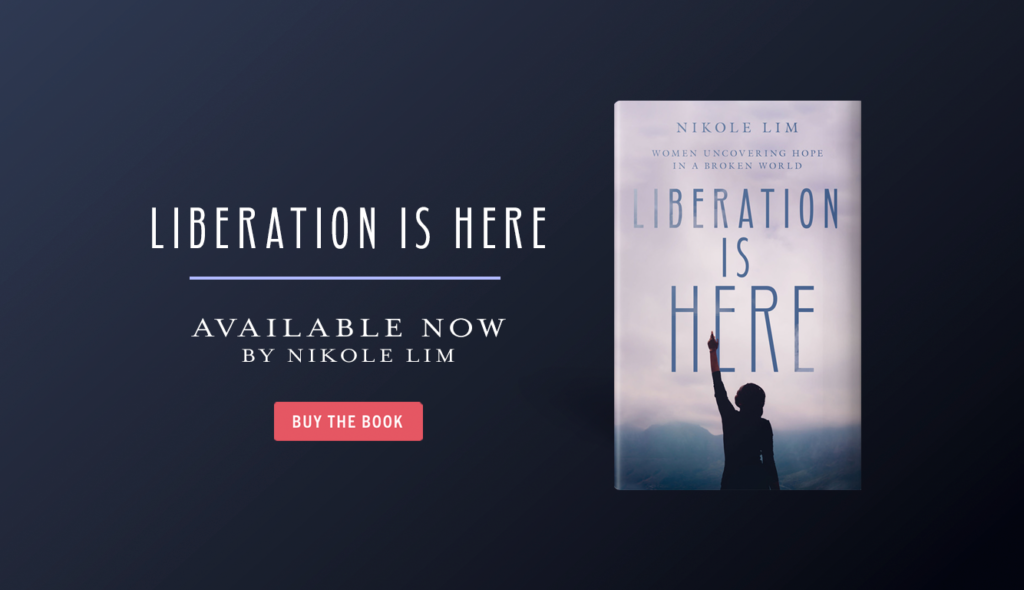
Liberation Is Here is the story of Nikole Lim’s journey as an idealistic freelance filmmaker. Her career allowed her to step in and out of the lives of people who had experienced oppression around the world. But when confronted with the prevalence of sexual violence in Kenyan and Zambian communities, she commits to advocating alongside the courageous survivors whose lives have intersected with her own.

Illustrated with dramatic full-color photography from Lim’s own camera, Liberation Is Here transports us to forgotten corners of the world. 

Her journey proves that liberation is not just near, but it is here—in the eyes of the broken, the hearts of the oppressed, and the untold stories of our global community.

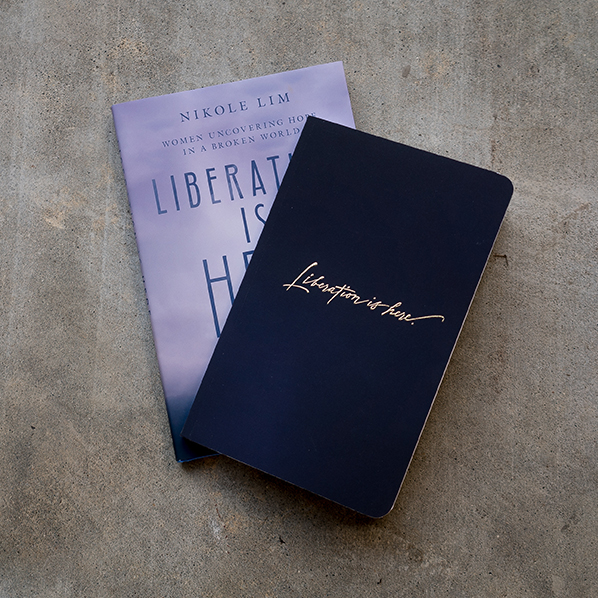
the journal


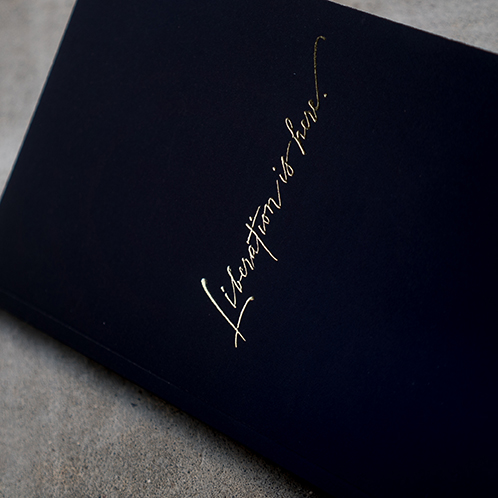
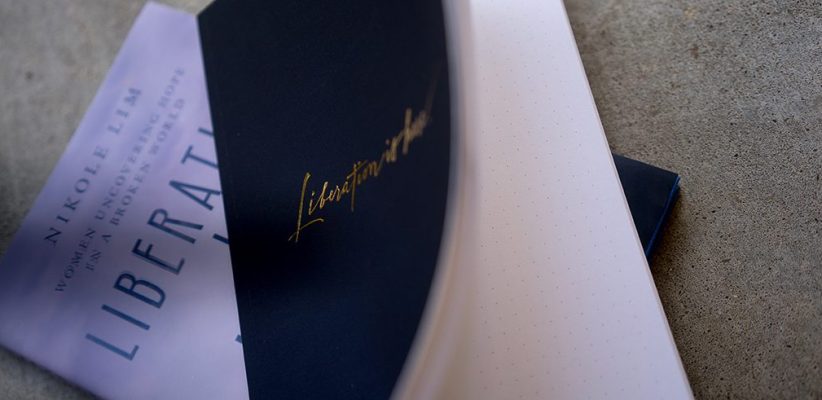
Water resistant and velvety smooth to the touch, this notebook will hold up over time and always feel like magic in your hands. Product Specs: 5.25″ x 8.25″ softcover notebook with gold foil • 144 pages • Dot Grid inside pages • Rounded corners • Durable, smyth sewn library-quality binding

Freely In Hope
Freely In Hope
Freely In Hope

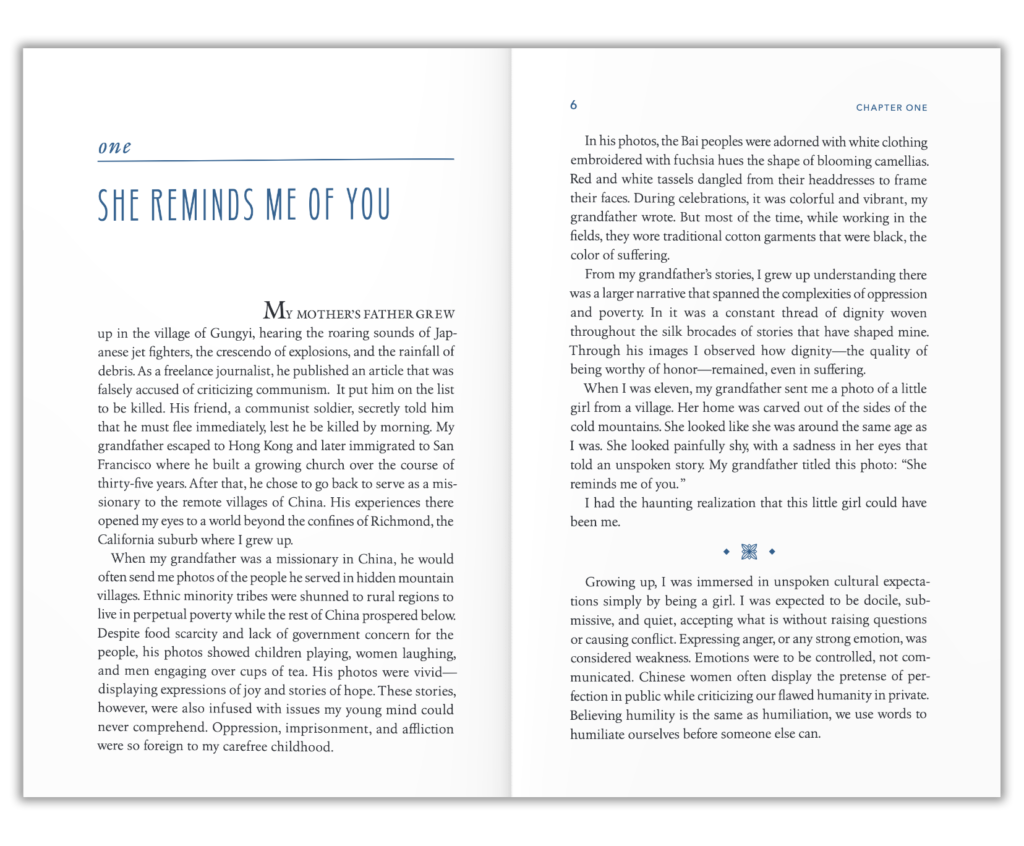
TAKE A PEEK INTO chapter 1

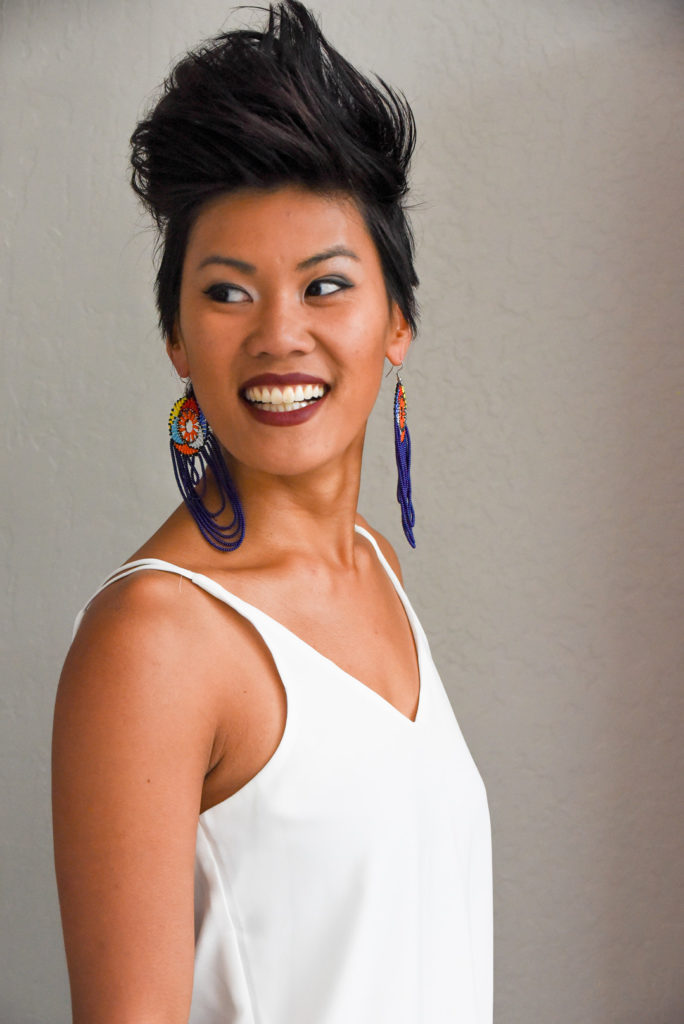
MEET NIKOLE LIM

At the Book Club, you’ll have opportunities to interact with Nikole, ask questions about the stories in the book, and learn about her leadership journey that inspired the formation of Freely in Hope.
Freely In Hope

Nikole Lim is a speaker, educator, and consultant on leveraging dignity through the restorative art of storytelling. Nikole shifts paradigms on how stories are told by platforming voices of the oppressed—sharing stories of beauty arising out of seemingly broken situations. As the Founder and International Director of Freely in Hope, Nikole has been deeply transformed by the powerful, tenacious, and awe-inspiring examples of survivors. Their audacious dreams have informed her philosophy for a survivor-led approach to community transformation.

Nikole graduated with a degree in Film Production from Loyola Marymount University and is currently pursuing a masters in Global Leadership from Fuller Theological Seminary. She is a native of the Bay Area and can often be found buying fabric on the streets of Lusaka. Follow her @nikole_lim.

Share with your friends

Q& A From Pain to Power – The Super Girls Revolution with Magdalene

As a survivor of sexual violence, I started SGR in my mother’s backyard because the need to ensure girls were supported through mentorship, education, and empowerment was so urgent. My dream was always consistent: to mentor girls to take up space and be leaders, allowing every light in the community to shine.
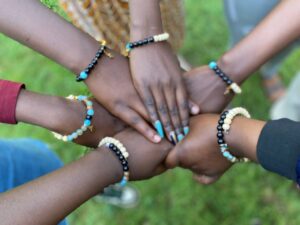
How Safe Spaces and Survivor-Led Care Are Multiplying Healing

The movement to end sexual violence is undergoing a profound and necessary transformation. For decades, the global conversation has often focused on external interventions and temporary aid. Today, a new, powerful model is emerging: one that centers the unshakeable wisdom, expertise, and leadership of African survivors. This isn’t just about inclusion; it is a strategic shift toward sustainability, efficacy, and genuine, lasting societal change.
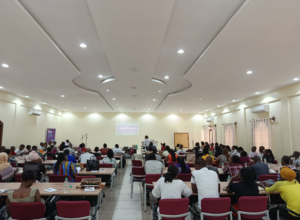
How FIH Is Strengthening the Ecosystem of Care for Survivors in Kenya

Kenya’s fight against sexual and gender-based violence (SGBV) is far from over. Poverty, harmful cultural practices, lack of GBV awareness, lack of access to justice among others perpetuate violence in many Kenyan communities. In addition to that, survivors when seeking for help face stigma, fear and trauma not only from the violence itself but also from systems that are meant to provide protection, support and justice. Instead, the systems end up silencing them. As a result, it makes their healing difficult and the violence hidden.


JOIN OUR COMMUNITY

Sign up for our mailing list to receive the latest news from the field.

Skip to content