


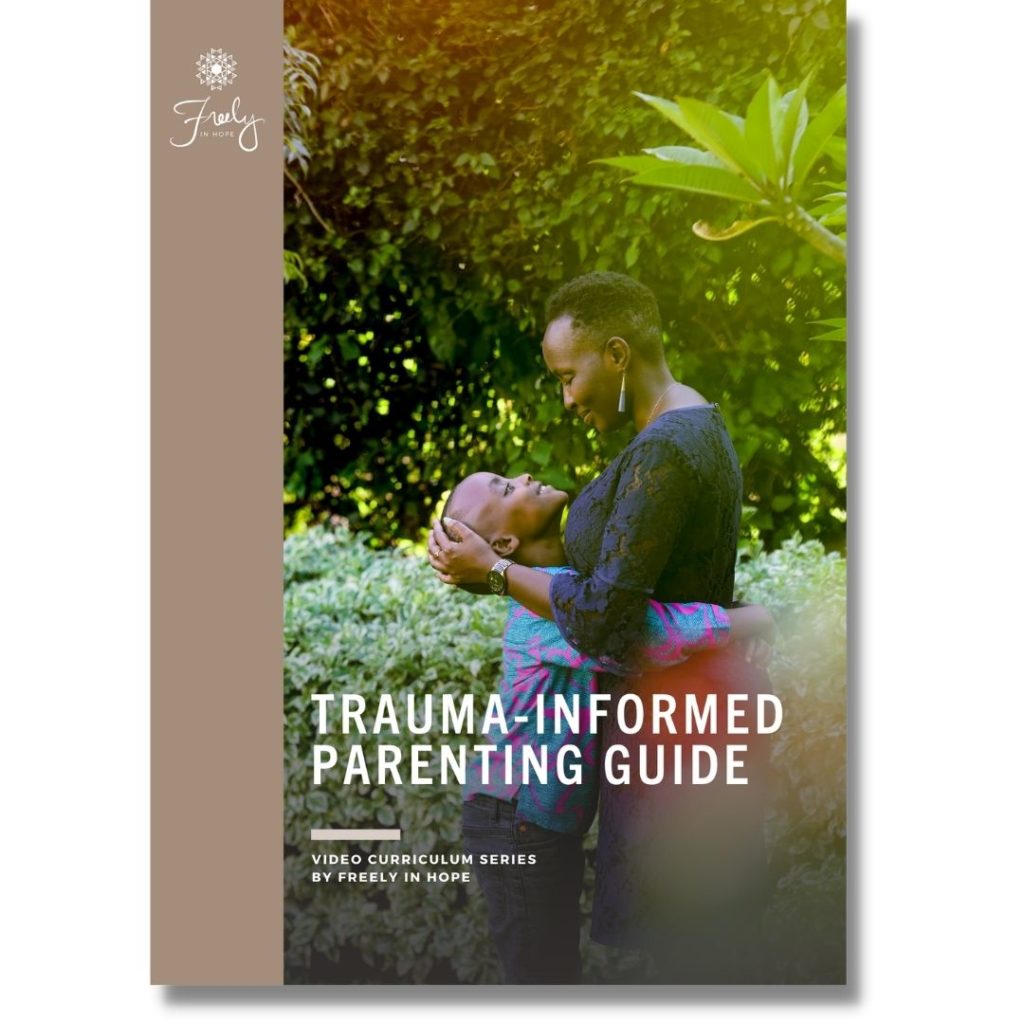
The Trauma-Informed Parenting Guide provides the basics of trauma-informed care to empower parents and caregivers to have age-appropriate conversations with their children around sexuality, sexual abuse, and trauma healing. This free resource will equip you to keep your family safe.
access the free guide!
Below is an excerpt from our Trauma-Informed Parenting guide filled with practices, techniques, exercises, and tips specifically for parents of survivors of sexual violence.

1. understanding body autonomy
Body autonomy means that children have control over their bodies. A child should know that they have a right over what happens to their bodies and that they shouldn’t be coerced or forced into something they don’t want to do.
When children have body autonomy,
- They will know that it’s their right to say “no” to touch that feels unsafe or unwanted,
- They will not be punished for saying, “no,”
- They will have the vocabulary to talk about their bodies and how their bodies feel,
- They will recognize signs of sexual abuse or grooming tactics and have the tools to tell a trusted adult.
2. Building Connection with your Child
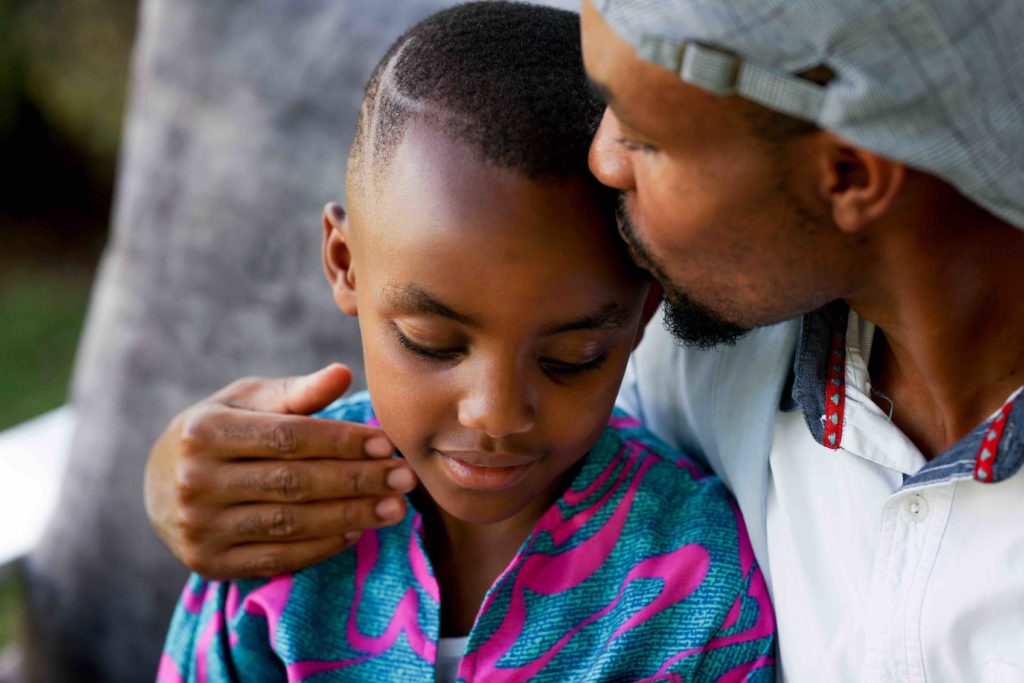
Building connection with your child means being intentional about putting love into every action. As a parent, it’s very important to create unstructured and uninterrupted time to spend with your child. Unstructured time allows the child to set the pace and methods of building connection that is meaningful to them. Uninterrupted time helps your child know that quality time is important to you too. This allows you to get a glimpse into their day. They will feel more seen, heard, and valued. They will learn that their voice is important as they practice sharing their feelings, ideas, and opinions with you. Building connection with your child helps you know how best to support them.
Listen to your child to build a trusting connection with them by:
- Being fully attentive. Watch for any verbal and non-verbal cues in the behavior and tone such as fidgeting, tears, or pauses. Wait for them to open up and allow them to explore their feelings with you.
- Listening to their story. Center their story and experience without inserting your own judgments or opinions about the story they’re telling.
- Ask non-interrogating questions. Clarify with questions that make them feel heard. For example, would you like to share with me how that made you feel?
3. affirming your child through superpowers
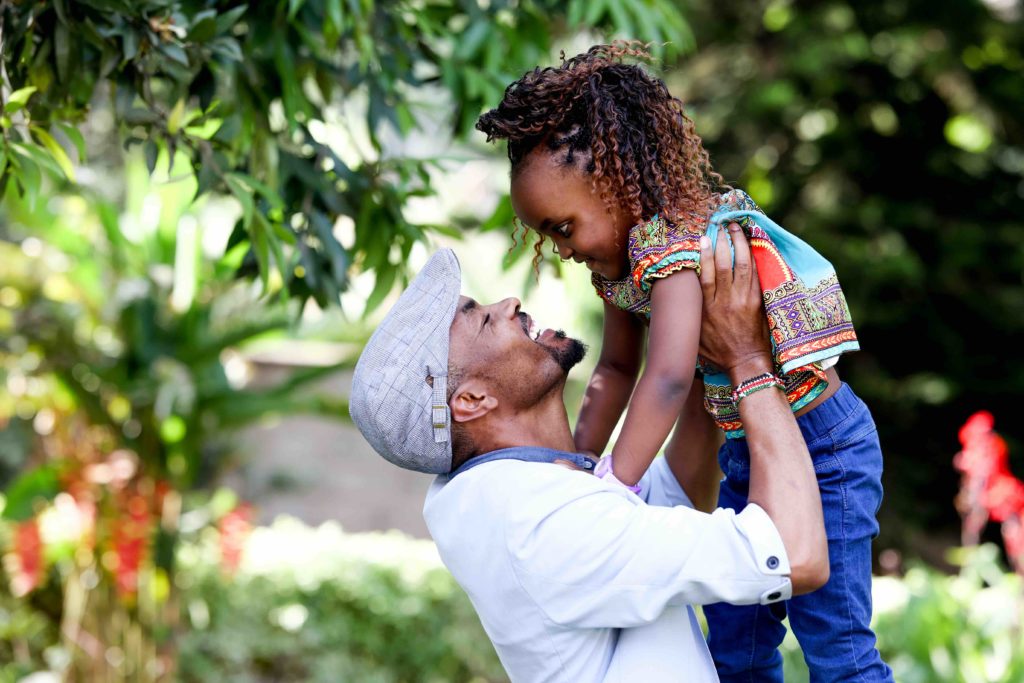
Before the age of 12, children are trying to figure out their purpose in life. They are starting to explore and be industrious, and that can be a daunting task for them. Affirming your child through superpowers is a good way for parents to boost confidence in their children.
Using the term, “superpower” as a metaphor for unique attributes that children possess can help them understand that differences aren’t something to be ashamed of, but something to be proud of. You can practice this by:
- Recognizing their ancestral heritage. Teach your child about their lineage, culture, and family history to establish and increase their sense of belonging to a greater system.
- Learning their unique interests. Help your child identify what their superpower is based on the conversations around family and interests. This may be a personal trait that a child possesses or shows such as being kind, courageous, athletic, or musical.
- Speaking affirmations. Affirmations can be used as mantras that will keep children anchored in tough times. This could be drawn from their familial heritage or faith background. For example, a name or phrase in their familial dialect that holds meaning.
4. releasing stress through breathwork
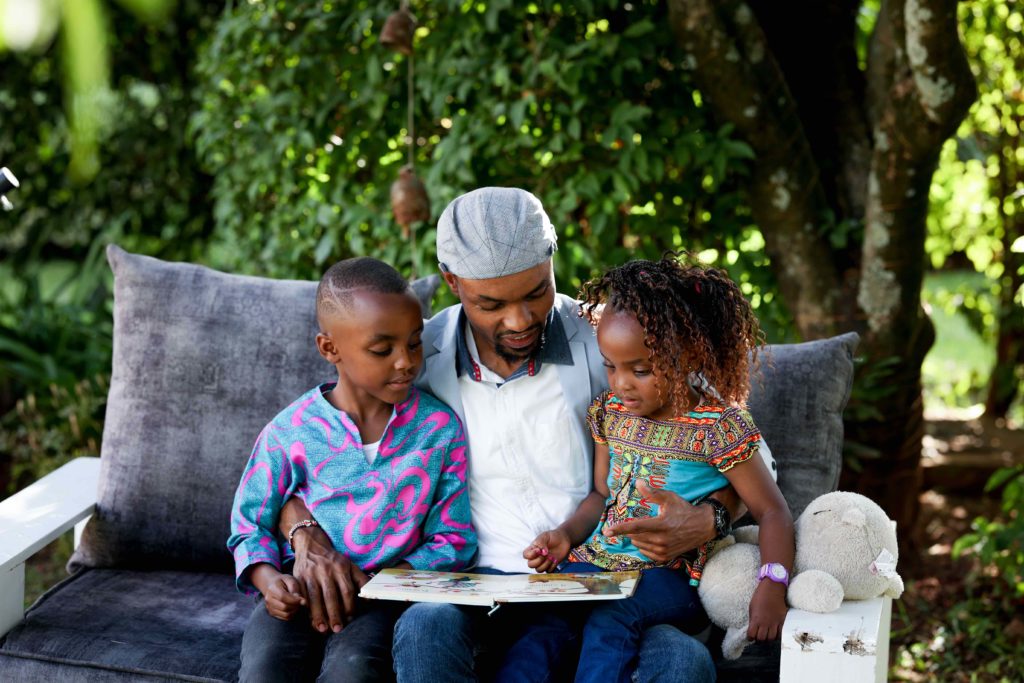
Just like adults, children also experience anxiety and tension as they navigate their ever-changing lives. They may manifest trauma, unease, or confusion by showing aggression to peers, having trouble sleeping, being irritable, or even experiencing headaches and tummy aches. They need opportunities where they can unplug and let it all out. Providing a safe space where they are allowed and encouraged to talk about the difficulties they face and the feelings they are experiencing is imperative to their emotional health and growth.
Deep breathing sends calming and relaxing messages to the brain. This is an intentional practice that is our essential life force—breathing. An adult can teach their child breathwork exercises so that they learn how to self-soothe, reduce anxiety, and remain grounded even when they are alone.
Deep inhales through the nose (4 counts).
- Allows more airflow into the body which provides calm, ease, and rest,
- As a child “listens” to themselves breath in, they are able to momentarily shift their mind from what was causing them anxiety
- Having them imagine that the relaxing air filling their lungs is filled with calm and peace is a great way to make the exercises relatable to them.
Slow exhales through the mouth (4 counts).
- For older children, imagine exhaling as if letting go of all their worries and concerns,
- For younger children, they can let go of their balloons as a simile to letting go of their stress. Or try blowing bubbles to imagine their worries floating away and disappearing as they pop! You can also try using feathers. Have them gently blow them away. As they gently blow, they are practicing intentional breathing.
Want to learn more?

The Trauma-Informed Parenting Guide is full of resources, practices, and exercises to equip your parenting skills. The guide also comes with accompanying videos. Access the full Trauma-Informed Parenting Guide to keep your family safe!